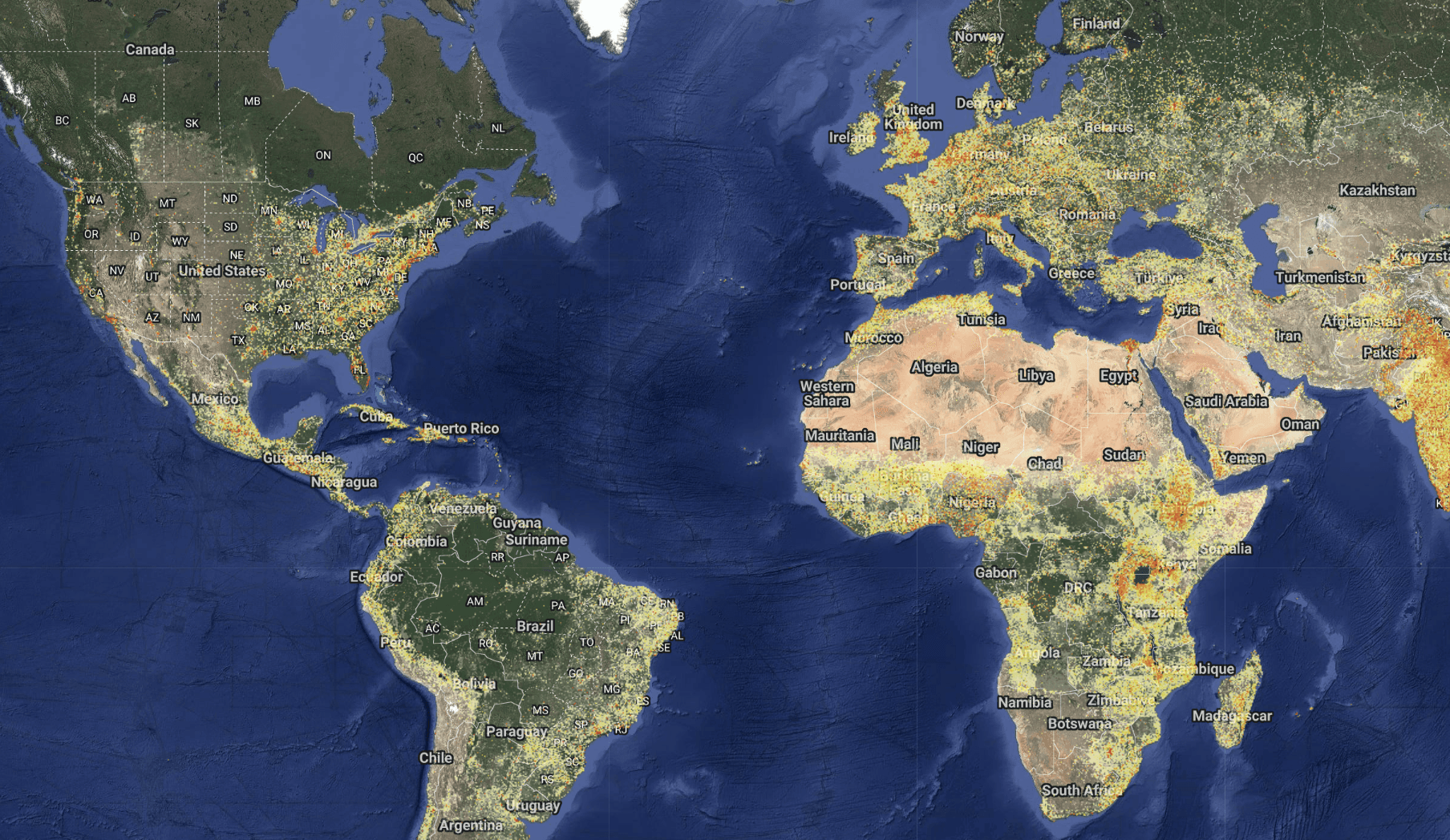
Stay up to date on new features and improvements in Population Explorer.

August 2025 — Performance Improvements
Optimized fetch protocol when filters are active.
Noticeably improved system speed during large folder navigation.
July 2025 — Folder Drawer Enhancements
Rewrote folder fetch protocol for greater reliability.
Added search, sort, and filter to the folder/item drawer for faster navigation.
June 2025 — Improved Navigation
Added drag-and-drop functionality for items.
Supports single item drag.
Supports multi-select drag with Ctrl + click.
Improved cross-folder item management.
May 2025 — Visualization Upgrades
Added one-click heatmap functionality for population visualization.
Introduced Map Settings panel, enabling on/off toggling of layers for cleaner maps.
March 2025 — Feature Enhancements
Added color and transparency controls to individual items.
Introduced bulk color assignment at the folder level for faster organization.
v3.5 (February 2025) — Major Release
Launched Population Explorer v3.5.
Baseline feature set includes improved dataset handling, results panel upgrades, and performance tuning.
Related Resources
Need More Help?
If you run into issues, please contact us.
Explore expert articles, eCommerce guides, and the latest updates to help your business grow smarter and sell better with Unistore.

May 22, 2026
You Can Create a Franchise Territory in Less Than 2 Minutes
Franchise territory mapping no longer has to mean expensive consultants, complex GIS software, or weeks of setup. Modern tools let franchisors create, evaluate, and compare protected territories in minutes.

May 22, 2026
At What Point Does a Franchise Need Territory Mapping?
Not every franchise needs rigorous territory mapping on day one. But once territory decisions begin affecting franchise sales, market protection, expansion planning, and long-term network value, the stakes change quickly.

May 14, 2026
São Paulo Retail and Franchising: Emerging Retail Corridors Beyond the City’s Established Commercial Centers
São Paulo’s strongest retail opportunities may not emerge from its most established commercial centers. Using high-resolution population forecasts, ambient population analysis, retail density, and drive-time territory mapping, this analysis explores how customer growth and retail competition are beginning to diverge across several secondary corridors in the broader São Paulo metro.